
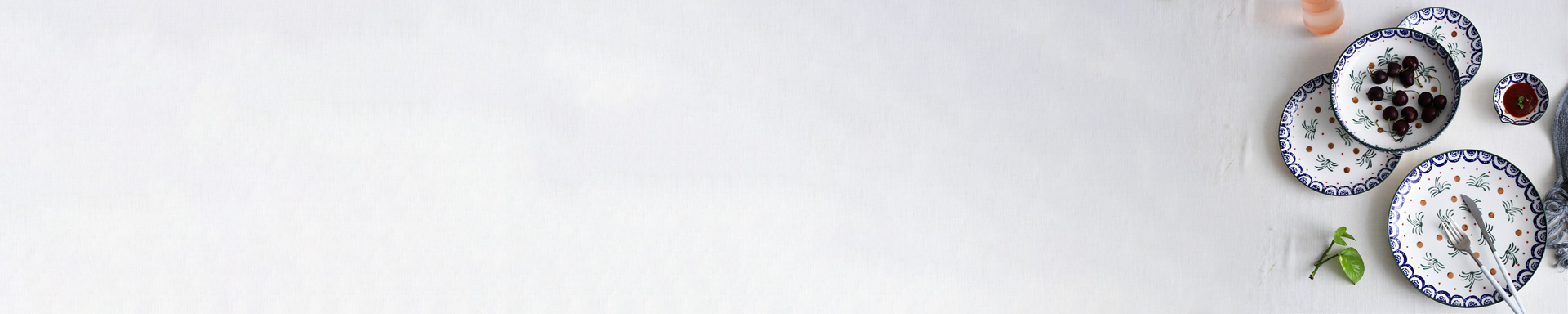


China Suppliers Factory Underglaze Hand-Painted Ceramic 5 Inch Keep Fresh Bowl with Lid, Microwave & Oven Safe
It is made by drawing patterns on the body of the porcelain with glazes of various colors, and then covering it with a layer of transparent glaze and firing it at high temperature.
Underglaze colorful porcelain has rich and varied colors, including red, yellow, green, blue, purple, etc., presenting a bright and soft effect.
The pattern design of this kind of porcelain is usually very delicate, with smooth and natural lines and vivid and lifelike images.
Key Advantages of Underglaze Ceramics
Food Safety
From the perspective of food safety, underglaze hand-painted ceramic tableware is undoubtedly the best choice. As mentioned above, the painted patterns of underglaze hand-painted ceramic tableware are under the glaze surface, and the smooth and non-porous glaze surface is in contact with food, so no harmful substances will seep out. In contrast, although overglaze ceramic tableware has rich colors and diverse patterns, its painted patterns are located above the glaze surface. Long-term use may leak heavy metal elements such as lead and cadmium, which may have a potential impact on human health.
Aesthetic Value
From an aesthetic point of view, underglaze hand-painted ceramic tableware has more cultural connotations and artistic value. Compared with traditional mechanically produced tableware, each piece of underglaze hand-painted ceramic tableware is hand-painted by artists, and each piece is a unique work of art. They not only carry the essence of traditional ceramic culture and the inheritance of skills, but also contain the artist's emotions and creativity. Therefore, choosing underglaze hand-painted ceramic tableware is not only a pursuit of quality of life, but also a respect and inheritance of traditional culture.
Environmental Advantage
From an environmental perspective, underglaze hand-painted ceramic tableware also has obvious advantages. Compared with disposable plastic tableware, ceramic tableware can be recycled and reduce resource waste; compared with metal tableware, ceramic tableware will not produce harmful substances to pollute the environment during use; compared with glass tableware, ceramic tableware consumes less energy and causes less pollution during the production process. Therefore, choosing underglaze hand-painted ceramic tableware is also a concrete action to practice the concept of green and low-carbon life.
Product Gallery


Frequently Asked Questions
How is underglaze colorful porcelain made?
Why is underglaze hand-painted ceramic tableware safer for food?
What is the main safety difference between underglaze and overglaze ceramics?
What makes each piece of underglaze hand-painted tableware unique?
How does ceramic tableware benefit the environment compared to other materials?
It is made by drawing patterns on the body of the porcelain with glazes of various colors, and then covering it with a layer of transparent glaze and firing it at high temperature. Underglaze colorful porcelain has rich and varied colors, including red, yellow, green, blue, purple, etc., presenting a bright and soft effect. The pattern design of this kind of porcelain is usually very delicate, with smooth and natural lines and vivid and lifelike images.
Food Safety & Health Benefits
From the perspective of food safety, underglaze hand-painted ceramic tableware is undoubtedly the best choice. As mentioned above, the painted patterns of underglaze hand-painted ceramic tableware are under the glaze surface, and the smooth and non-porous glaze surface is in contact with food, so no harmful substances will seep out. In contrast, although overglaze ceramic tableware has rich colors and diverse patterns, its painted patterns are located above the glaze surface. Long-term use may leak heavy metal elements such as lead and cadmium, which may have a potential impact on human health.
Aesthetic & Artistic Connotations
From an aesthetic point of view, underglaze hand-painted ceramic tableware has more cultural connotations and artistic value. Compared with traditional mechanically produced tableware, each piece of underglaze hand-painted ceramic tableware is hand-painted by artists, and each piece is a unique work of art. They not only carry the essence of traditional ceramic culture and the inheritance of skills, but also contain the artist's emotions and creativity. Therefore, choosing underglaze hand-painted ceramic tableware is not only a pursuit of quality of life, but also a respect and inheritance of traditional culture.
Environmental & Green Living
From an environmental perspective, underglaze hand-painted ceramic tableware also has obvious advantages. Compared with disposable plastic tableware, ceramic tableware can be recycled and reduce resource waste; compared with metal tableware, ceramic tableware will not produce harmful substances to pollute the environment during use; compared with glass tableware, ceramic tableware consumes less energy and causes less pollution during the production process. Therefore, choosing underglaze hand-painted ceramic tableware is also a concrete action to practice the concept of green and low-carbon life.
❓Frequently Asked Questions
Q1What is underglaze hand-painted ceramic tableware?
It is a type of ceramic ware made by painting patterns directly onto the ceramic body with various colored glazes, which is then covered with a protective layer of transparent glaze and fired at a high temperature.
Q2Why is underglaze tableware safer for food contact than overglaze options?
Because the painted designs are sealed beneath a smooth, non-porous glaze barrier. This prevents food from directly contacting the pigments, ensuring no heavy metals like lead or cadmium leach into your meals.
Q3Is each piece of underglaze hand-painted tableware unique?
Yes, unlike mass-produced machine tableware, each piece is hand-painted by artists, giving it distinct artistic value, emotional depth, and unique variations.
Q4How does underglaze ceramic tableware benefit the environment?
Ceramic tableware is durable and reusable, reducing plastic waste. Furthermore, its production consumes less energy compared to glass, and it does not release toxic chemicals into the environment like some metals or plastics.
Q5What colors are typically featured in underglaze colorful porcelain?
Underglaze colorful porcelain features a rich palette including red, yellow, green, blue, and purple, all presenting a bright yet soft and natural visual effect.